How to Get to Datça
Road, air or ferry: the ways to reach Datça, with approximate distances and journey times, plus practical tips for getting around the peninsula.
Updated: 21 October 2026
Datça sits on a long, slender peninsula stretching west of Marmaris, with the Gulf of Gökova on one side and the waters facing the Greek island of Symi on the other. Being at the end of the road makes the journey a little longer — and that is a big part of why the town still feels unhurried.
You can get here by road, by air or by sea. Below are the options, with approximate distances and journey times. Schedules change with the seasons, so always check the latest timetables before you set off.
By road
All roads to Datça lead through Marmaris. From there it's roughly 75 km along a winding road through pine forest, with glimpses of the sea along the way; allow about an hour and a half, depending on traffic and stops. In places the bends come one after another, so take it easy — especially after dark and in the summer rush.
If you're coming by coach, most long-distance services from Turkey's big cities terminate in Marmaris, although some companies run direct buses to Datça, particularly in summer. Buses and minibuses run between Marmaris and Datça throughout the day.
By air
The nearest airport is Dalaman (DLM), which has plenty of seasonal flights from across Europe. From there it's roughly 170 km to Datça by road, about 2.5–3 hours depending on traffic. You can pick up a hire car at the airport and drive straight down, or take a transfer or shuttle to Marmaris and carry on by bus. If your flight lands late, bear in mind that you'll be driving the winding stretch beyond Marmaris in the dark.
Milas-Bodrum Airport (BJV) is a good alternative if you pair it with the ferry: head into Bodrum and cross to the peninsula by sea. If the sailing times don't suit, bear in mind that the road from Bodrum loops all the way around the Gulf of Gökova, which makes for a long drive.
By sea
In season, car and passenger ferries link Bodrum with Datça, docking at Körmen, a small port on the peninsula's north coast, a short drive from town. The crossing takes roughly 1.5–2 hours. The number of sailings varies through the year — services may be reduced or suspended in winter — and car spaces can fill up quickly in summer, so check the current timetable and book ahead where you can; if you're taking a car across, get to the port in good time. From Körmen it's a quick taxi ride into the centre, or you can hop on a shuttle if one is running to meet the ferry.
Datça's harbour also has seasonal sea connections with the Greek islands of Symi and Rhodes, which makes the town an easy add-on to an island-hopping trip. These are international crossings: bring your passport and check the visa and entry rules for your nationality before you travel.
Getting around
A car — your own or a hire car — gives you the most freedom, letting you string together coves, villages and Knidos on your own schedule. You can also rent a car in Datça itself, though in summer it's safer to book ahead. Dolmuş minibuses run from the centre to some villages and bays, mostly in summer; ask locally for current routes and times.
Taxis are handy for short hops, and a rented scooter or bicycle works well around town and the nearer coves — just factor in the hills and the summer heat. In summer, parking in the centre, especially around the harbour, can be tight. Some coves are best reached from the water: throughout the summer, day boats head out from the harbour.
Good to know
Before you set off:
- Ferry, bus and dolmuş timetables change with the seasons — always check the current schedule.
- In summer and over Turkish public holidays, car spaces on the ferry and hire cars can sell out; book early.
- The road from Datça to Knidos is winding and narrow in places; drive slowly after dark and watch out for animals on the road.
- Fill up with fuel in town before heading west towards Knidos — there are few options along the way.
- In an emergency, call 112, Turkey's single emergency number.
Places in this guide
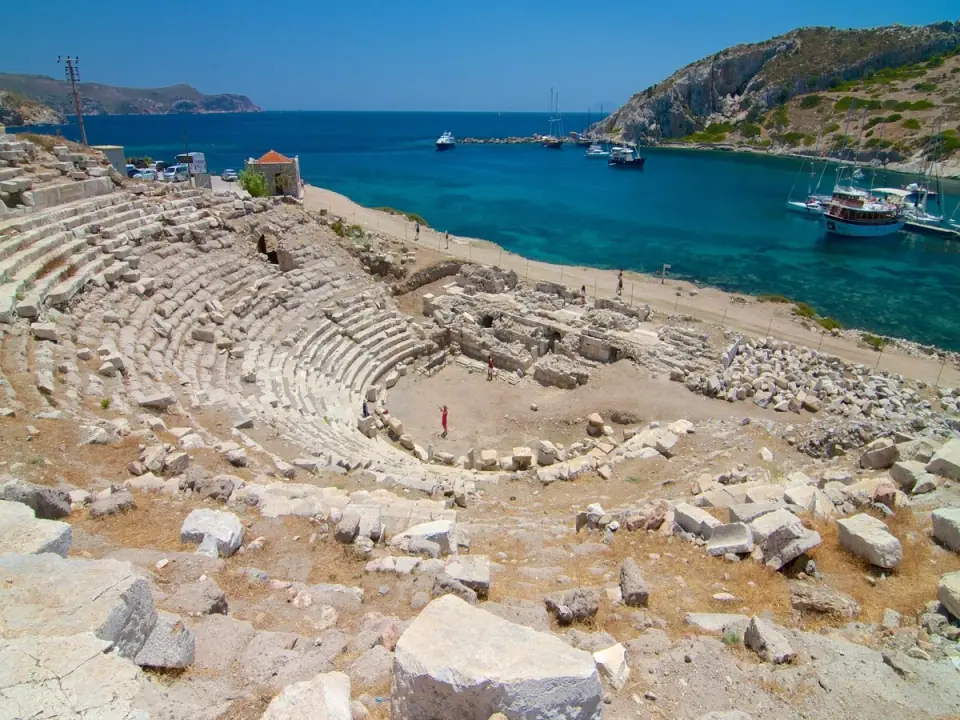
More guides
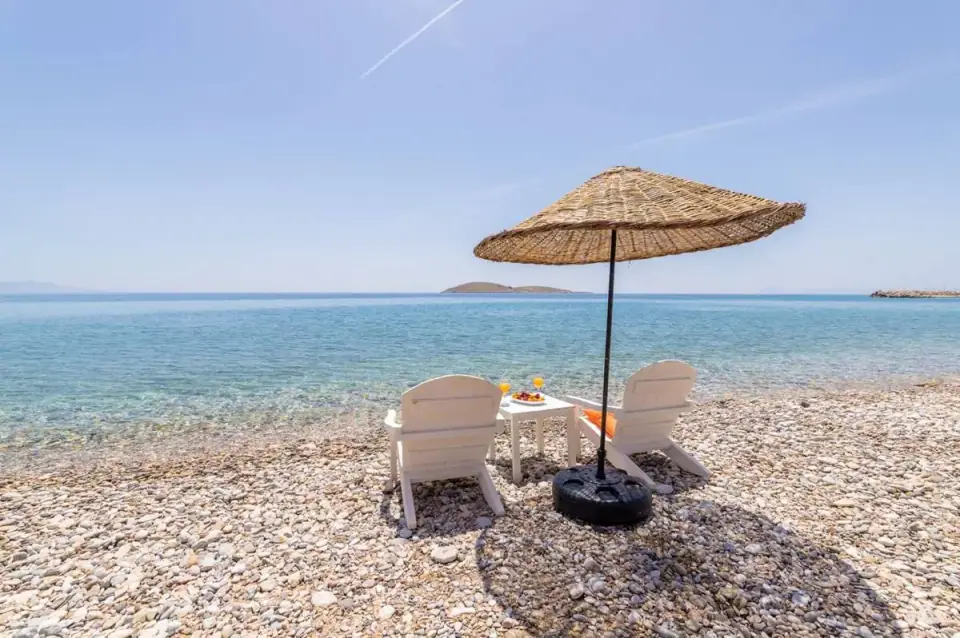
When to Visit Datça
From almond blossom and breezy summer afternoons to warm September seas and quiet winters: a season-by-season guide to choosing your time in Datça.
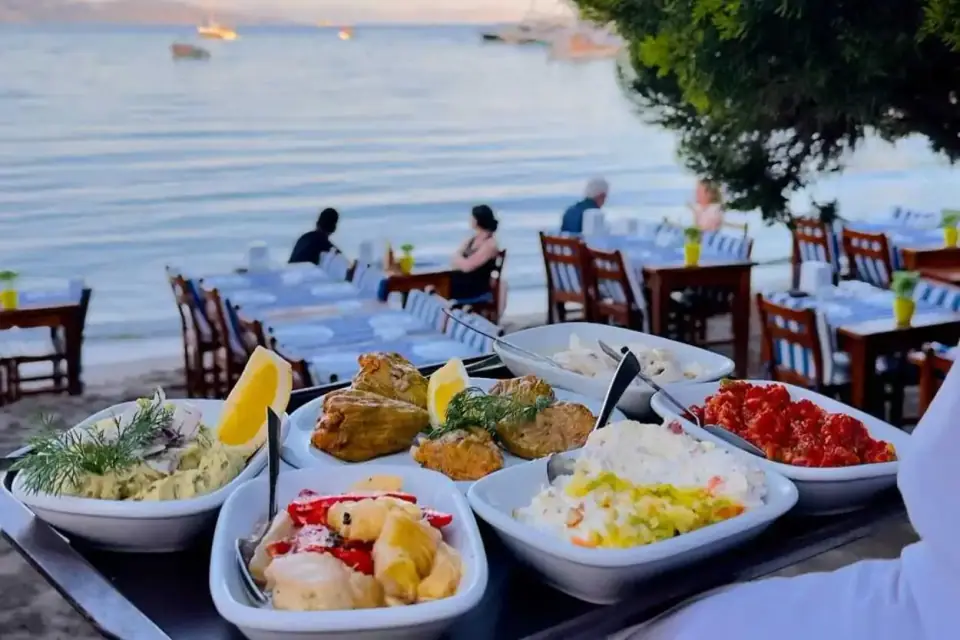
The Flavours of Datça: Almonds, Honey and Olive Oil
From almonds and thyme honey to centuries-old olive trees, wild greens and fresh fish: a guide to Datça's table and to buying direct from local producers.
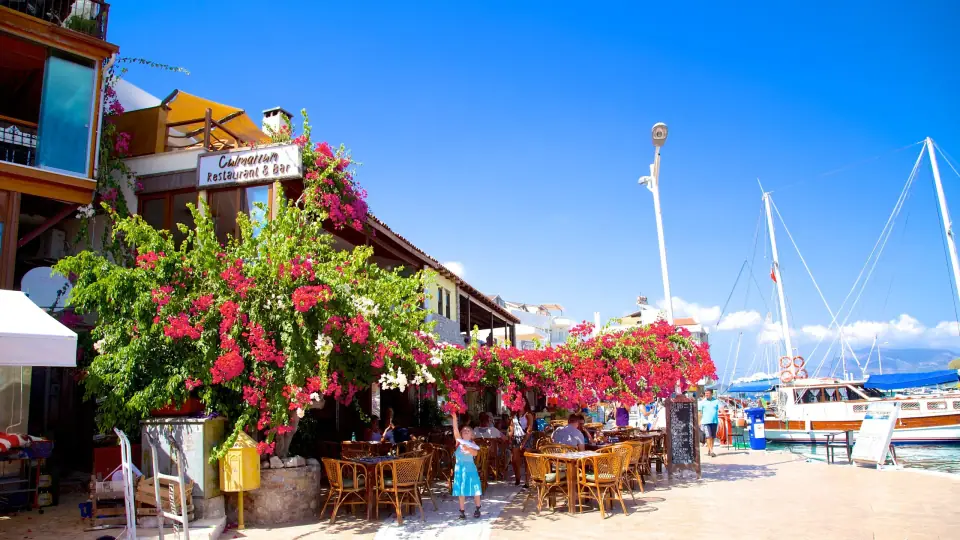
Datça in 3 Days: A Suggested Itinerary
The town and Old Datça, sunset at ancient Knidos, quiet coves and hilltop windmills: a day-by-day plan for seeing the best of Datça in three unhurried days.