When to Visit Datça
From almond blossom and breezy summer afternoons to warm September seas and quiet winters: a season-by-season guide to choosing your time in Datça.
Updated: 21 October 2026
There's no single “best” time to visit Datça — it depends on what you're after. Summer is all about the sea, spring is for walking and winter is for peace and quiet. The climate is classic Mediterranean: hot, dry summers and mild, wetter winters.
Here's what each season actually feels like on the ground, followed by a quick guide to who should come when.
Spring
Spring comes early to Datça. Towards the end of winter — usually around February — the almond trees burst into blossom, dusting orchards and hillsides in white and pale pink. By March and April the field edges and footpaths are full of wildflowers, and the air smells of thyme and sage.
This is ideal walking weather. The stretches of the Carian Trail (Karya Yolu) on the peninsula, the old paths between villages and open-air sites such as Knidos are far more pleasant now than in the heat of summer. The sea is still cool, though, and most people wait until late May to swim. Some seasonal businesses are only just getting ready, so don't expect everything to be open. Spring weather can be changeable, too, so pack a rain jacket and a warm layer.
Summer
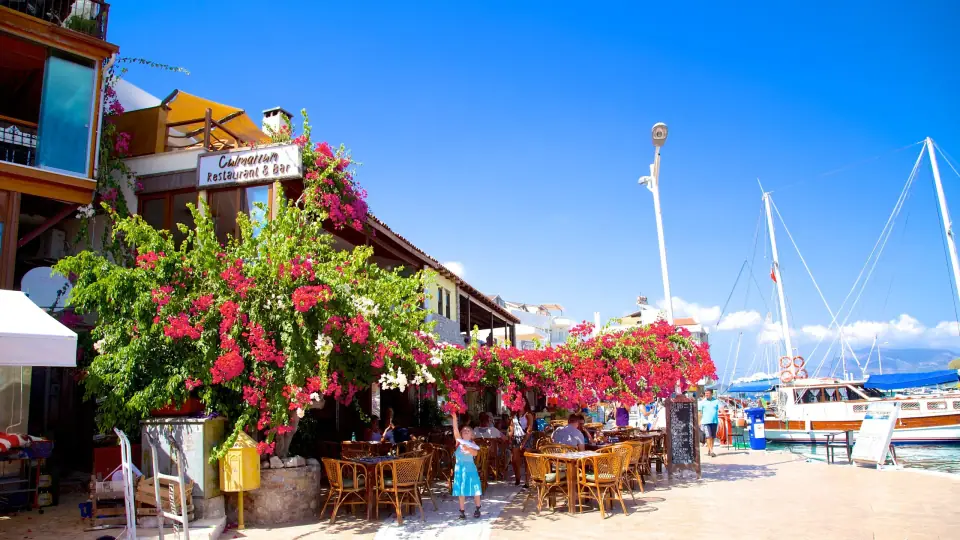
From June the weather turns hot and dry, and July and August are both the hottest and the busiest months. With Turkish schools on holiday, it pays to book accommodation, hire cars and ferries early. The midday sun is fierce; early mornings and the hours before sunset are the most comfortable times to swim and explore. Evenings are warm, and the town really comes alive around the harbour once the sun has gone down.
The defining feature of summer is the meltem, a northerly wind that typically picks up in the afternoon and often eases towards evening. Coves on the north coast, facing the Gulf of Gökova, take the wind head-on and can get choppy, while those on the south coast are often calmer. The sea is at its warmest in August.
Autumn
Ask people who know Datça well and many will tell you September and October are the best months of the year. The sea holds on to its summer warmth, while the crowds thin noticeably once schools go back. The meltem usually weakens as summer ends, too, so the north-coast coves are calm more often. Days are still sunny, and a light layer is usually all you need in the evening.
With the heat gone, walking season starts again from October. As October goes on, the first rains may arrive and some seasonal businesses begin to close. In late autumn the olive harvest gets under way — a good chance to see village life up close.
Winter
In winter, Datça goes back to its residents. It's mild but wet, with frequent rainy spells, and the sea can turn rough when the wind gets up. Beach clubs and most of the pensions and restaurants in the coves close for the season, but in the centre town life carries on — tea houses, bakeries and the weekly market. Some places to stay remain open all year, but check before you travel.
This is the season for slow travel: long walks, having Knidos almost to yourself, reading by the window and settling into the town's everyday rhythm. And when the almond trees blossom at the end of winter, the new season is on its way.
Who should come when
In short:
- Families: June is usually quieter than the July–August peak; if you're coming in high summer, book early.
- Walkers and nature lovers: March–May and October–November.
- Warm water without the crowds: September and early October.
- Photographers: almond blossom around February and wildflowers in spring.
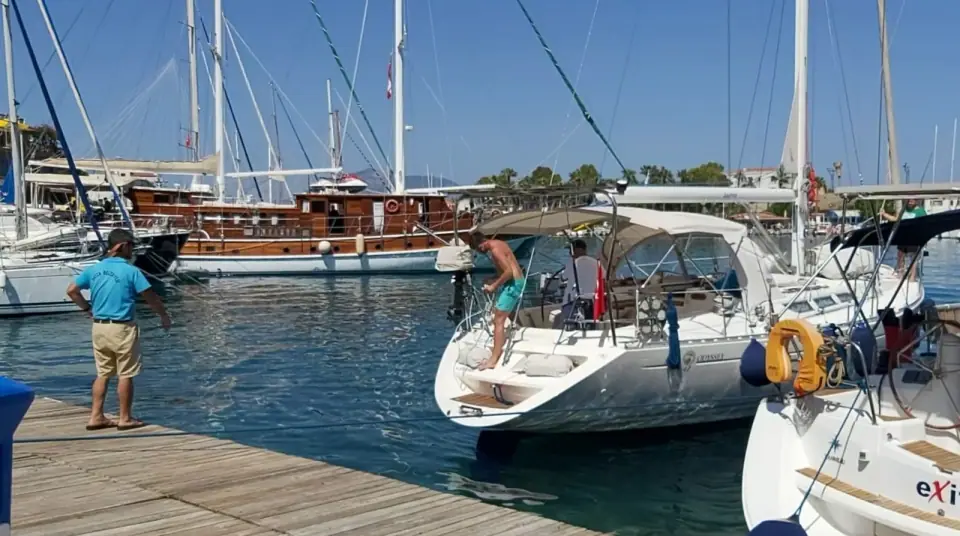
- Sailors: July and August, when the afternoon meltem fills in.
- Long stays and slow travel: winter — just expect some places to be closed.
Places in this guide
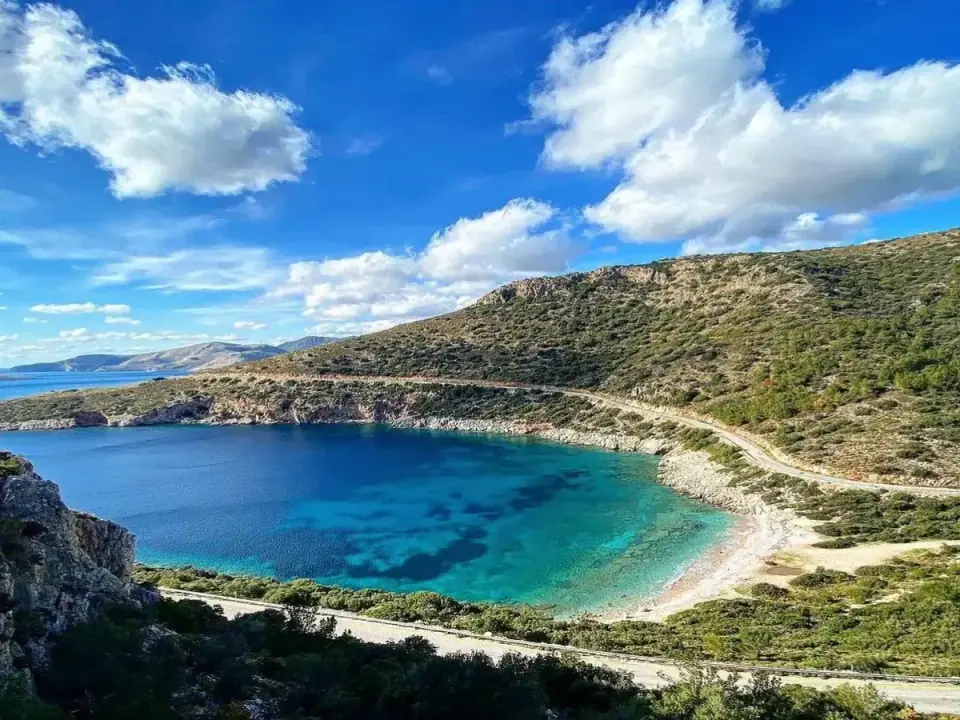
Carian Trail (Datça sections)
A waymarked path through villages, olive groves and coves
From half-day stretches to several days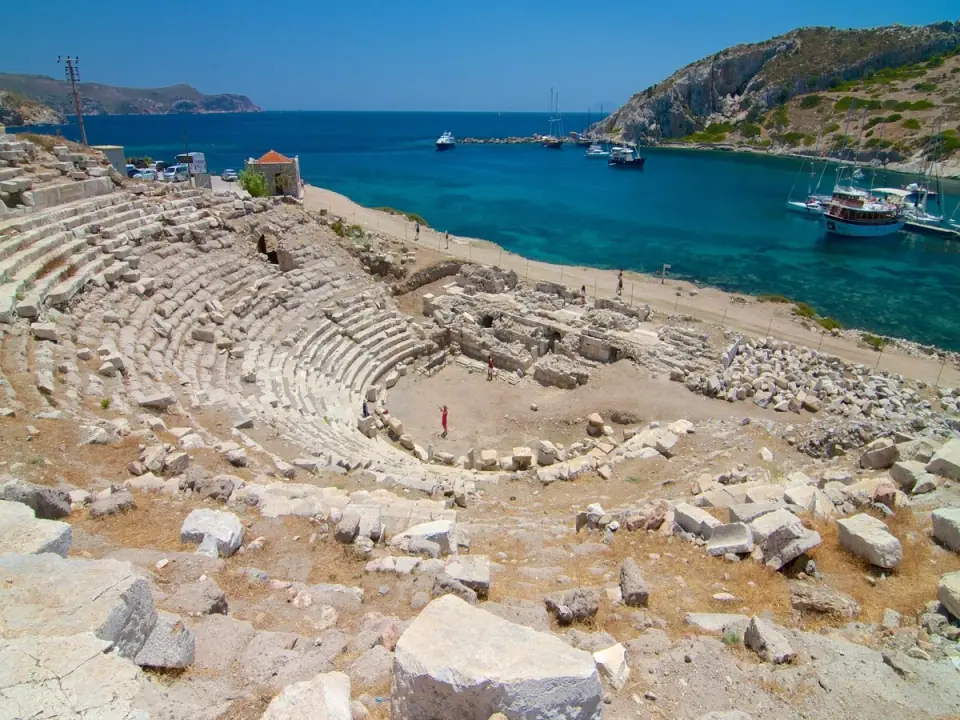
More guides
How to Get to Datça
Road, air or ferry: the ways to reach Datça, with approximate distances and journey times, plus practical tips for getting around the peninsula.
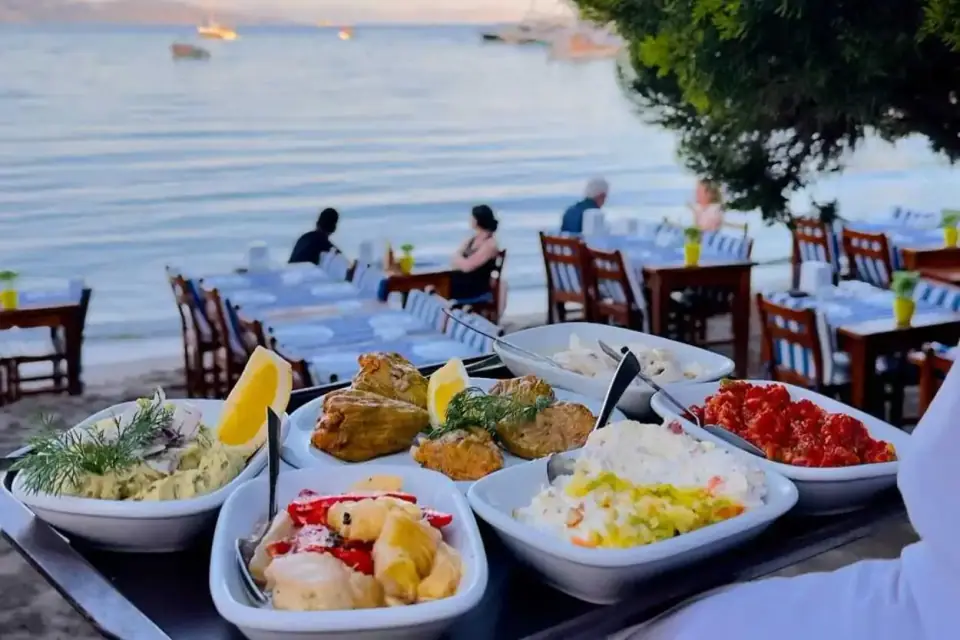
The Flavours of Datça: Almonds, Honey and Olive Oil
From almonds and thyme honey to centuries-old olive trees, wild greens and fresh fish: a guide to Datça's table and to buying direct from local producers.
Datça in 3 Days: A Suggested Itinerary
The town and Old Datça, sunset at ancient Knidos, quiet coves and hilltop windmills: a day-by-day plan for seeing the best of Datça in three unhurried days.