Explore
14 placesSanctuary of Apollo at Emecik
An Archaic sanctuary of Apollo in the peninsula's east
~14 kmAbout 1 hour
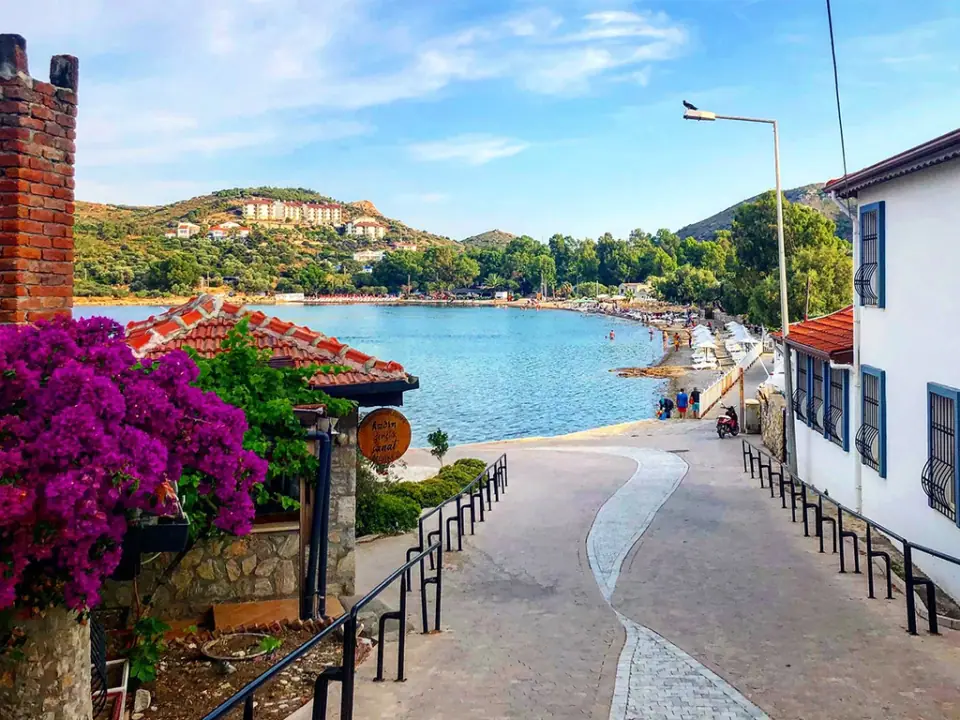
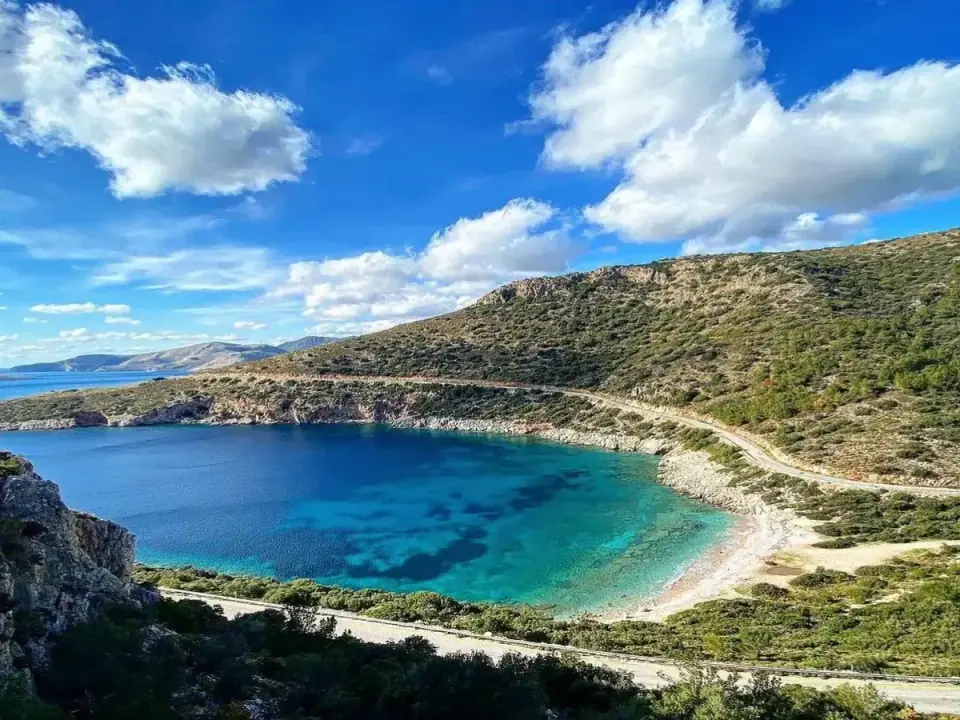
Carian Trail (Datça sections)
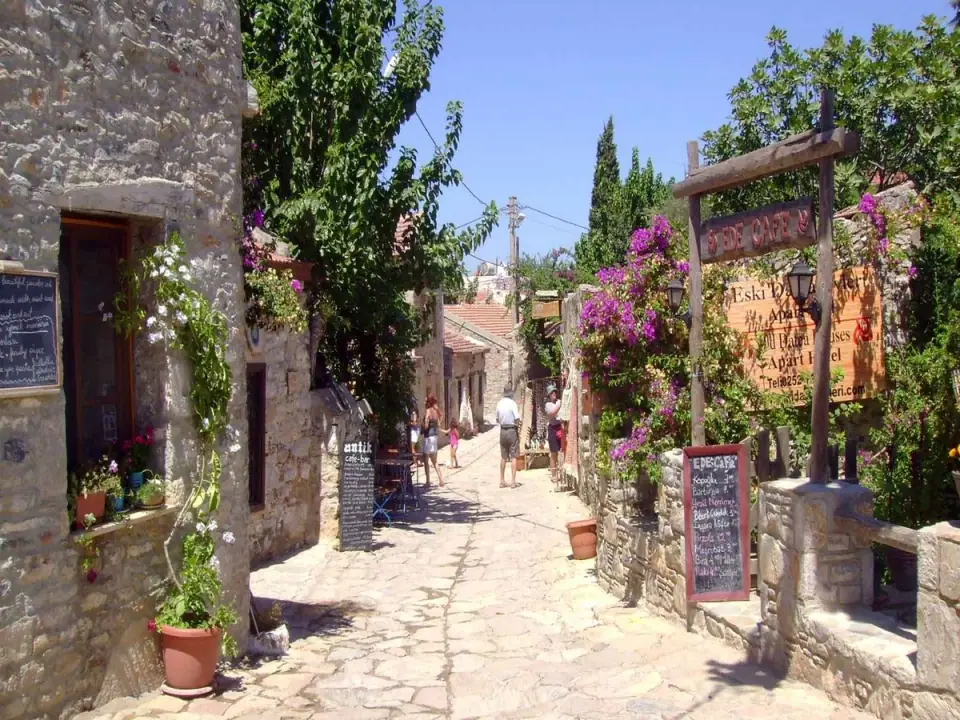
A waymarked path through villages, olive groves and coves
From half-day stretches to several days
Ancient Knidos
An ancient city of two harbours at the peninsula's tip
- From the centre
- ~35 km
- Suggested time
- 2–3 hours
- Best time
- Spring and autumn · sunset
- Entry
- Ticketed · Müzekart (Turkish museum pass) valid
The road west from Datça passes Yazıköy, then winds through olive groves and scrub to the very end of the peninsula. Knidos was built here, beside the cape popularly described as the place where the Aegean meets the Mediterranean. According to the geographer Strabo, part of the city spread onto a small offshore island that was joined to the mainland by stone moles. The result was a city with two harbours: the larger southern one served merchant ships, the smaller northern one the warships. Today, yachts and excursion boats still mostly anchor in the larger harbour.
Herodotus counts Knidos among the Dorian Hexapolis, a league of six Dorian cities in this corner of the Aegean. It is thought that the earliest city stood near present-day Datça, at Burgaz, and moved out to the tip of the peninsula in the 4th century BC. Sea trade, a well-known wine and a respected school of medicine made Knidos rich and famous. The mathematician and astronomer Eudoxus was born here, as was Sostratus, credited as the architect of the Pharos of Alexandria, one of the Seven Wonders of the ancient world.
Above all, ancient Knidos was famous for one statue: the Aphrodite carved by Praxiteles in the 4th century BC, regarded as the first monumental female nude in Greek sculpture. Visitors are said to have sailed here just to see her. According to Pliny the Elder, Praxiteles made two versions, one draped and one nude; the people of Kos, who had first choice, took the draped figure, and the Knidians bought the nude. The original is lost and known only through Roman copies. A round temple foundation on one of the upper terraces has been interpreted by some scholars as the statue's shrine, though that identification is still debated.
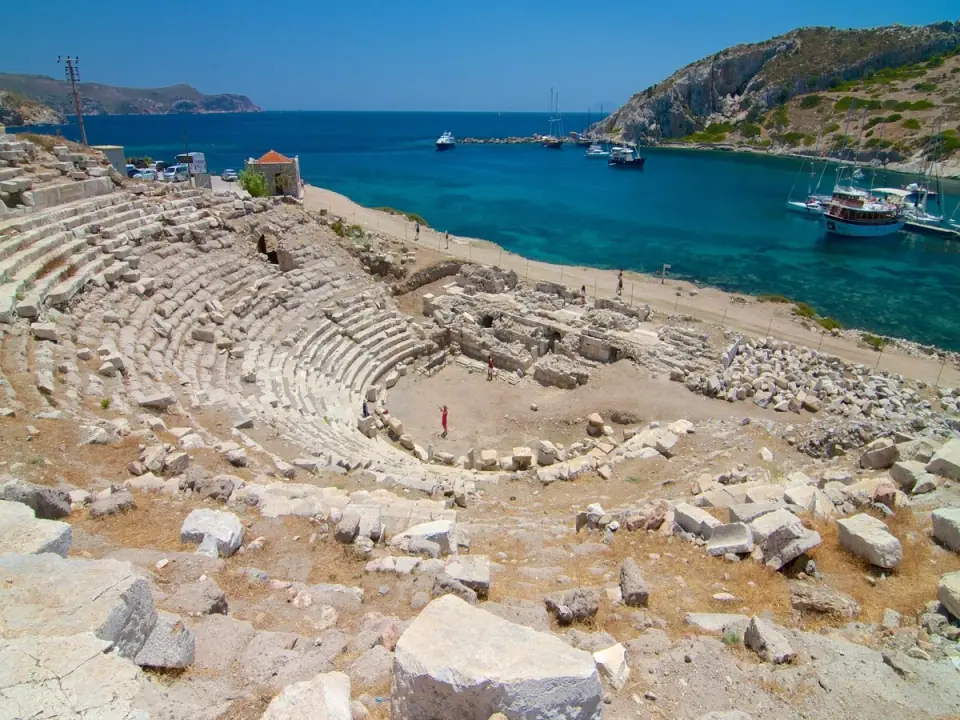
Exploring the site, you move between the theatre overlooking the harbour, the remains of the agora and stoa, scattered column fragments and terraces climbing the slope. The higher you go, the better you see both harbours, the narrow neck of land between them and the cape beyond. Excavation and restoration have gone on here for many years. Two of Knidos' best-known finds, the Lion of Knidos and a statue of Demeter, were taken away in the 19th century and are now in the British Museum in London. At the very tip of the peninsula, the white tower and red-roofed buildings of the Deveboynu lighthouse stand on the rocks.
Knidos is about 35 km from Datça by a road with some winding stretches; in summer, day boats from Datça harbour also make the trip by sea. There's almost no shade on the site, so in summer early morning or late afternoon is far more comfortable. Knidos is famous for its sunsets, when the sun sinks into the sea to the west and the stone takes on a warm glow. If you plan to stay for sunset, check that season's closing time before you go.
Highlights
- The theatre overlooking the ancient harbour
- Two ancient harbours and the narrow neck of land between them
- The round temple foundation linked to Praxiteles' Aphrodite
- Views of the cape and Deveboynu lighthouse from the upper terraces
- Sunset light on the ruins
Good to know
- Wear sturdy, closed shoes for the uneven, stony ground, and don't climb on the ruins.
- There's very little shade: bring a hat, sunscreen and plenty of water.
- Opening hours and ticket prices change with the season, so check the latest information before you set off.
- The cape catches the wind; pack a light layer for breezy days.
Tours that stop here
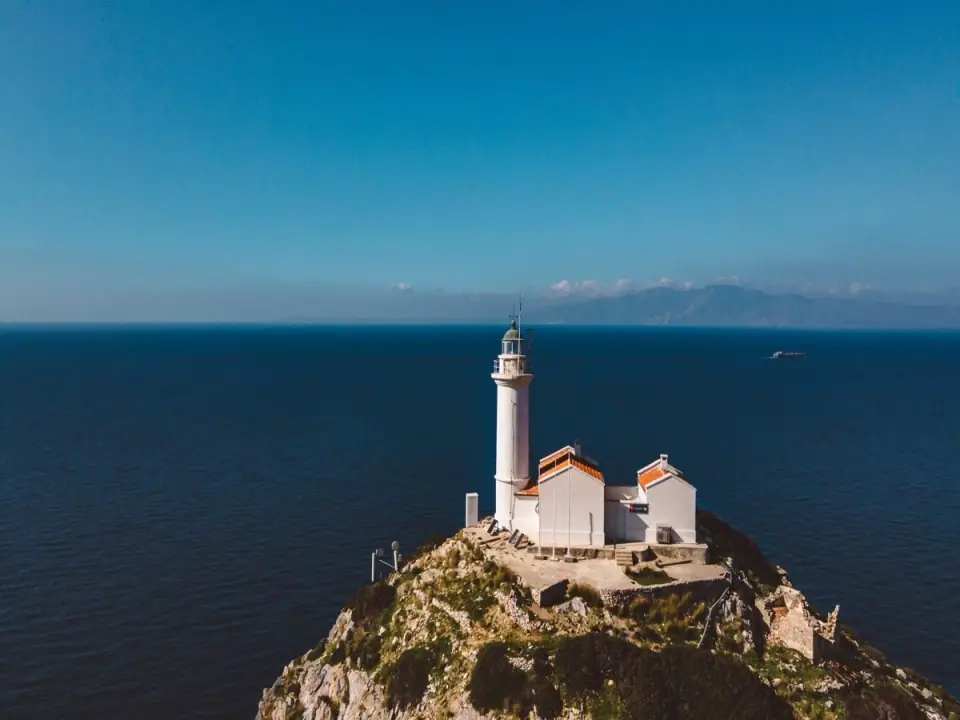
Knidos & Sunset Tour
A guided walk round Knidos, then sunset by the lighthouse
Half day · about 6 hours
Mentioned in
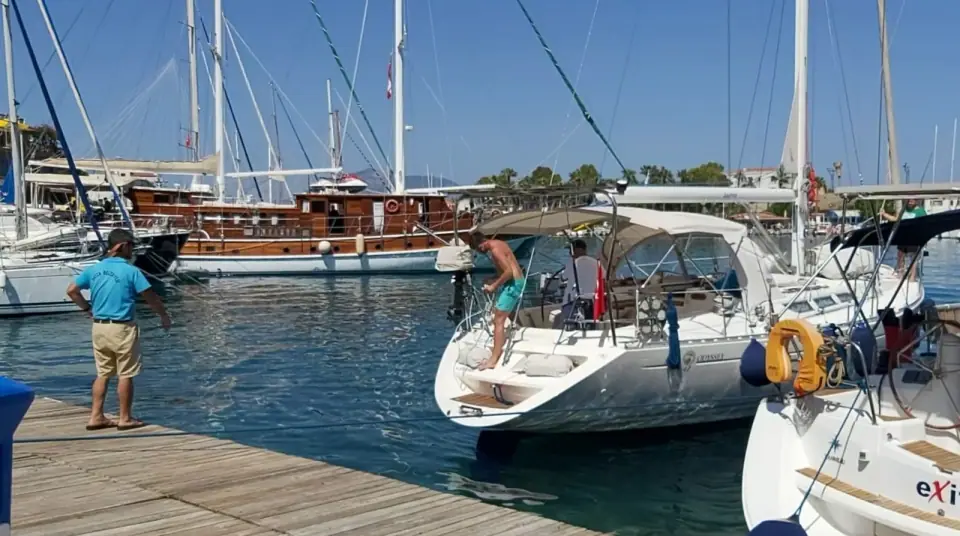 Getting there3 min read
How to Get to Datça
 Planning3 min read
When to Visit Datça
- Itineraries3 min read
Datça in 3 Days: A Suggested Itinerary
- Itineraries3 min read
5 Places to Watch the Sunset in Datça
Nearby
Villages
Coves
Carian Trail (Datça sections)
A waymarked path through villages, olive groves and coves
From half-day stretches to several days